

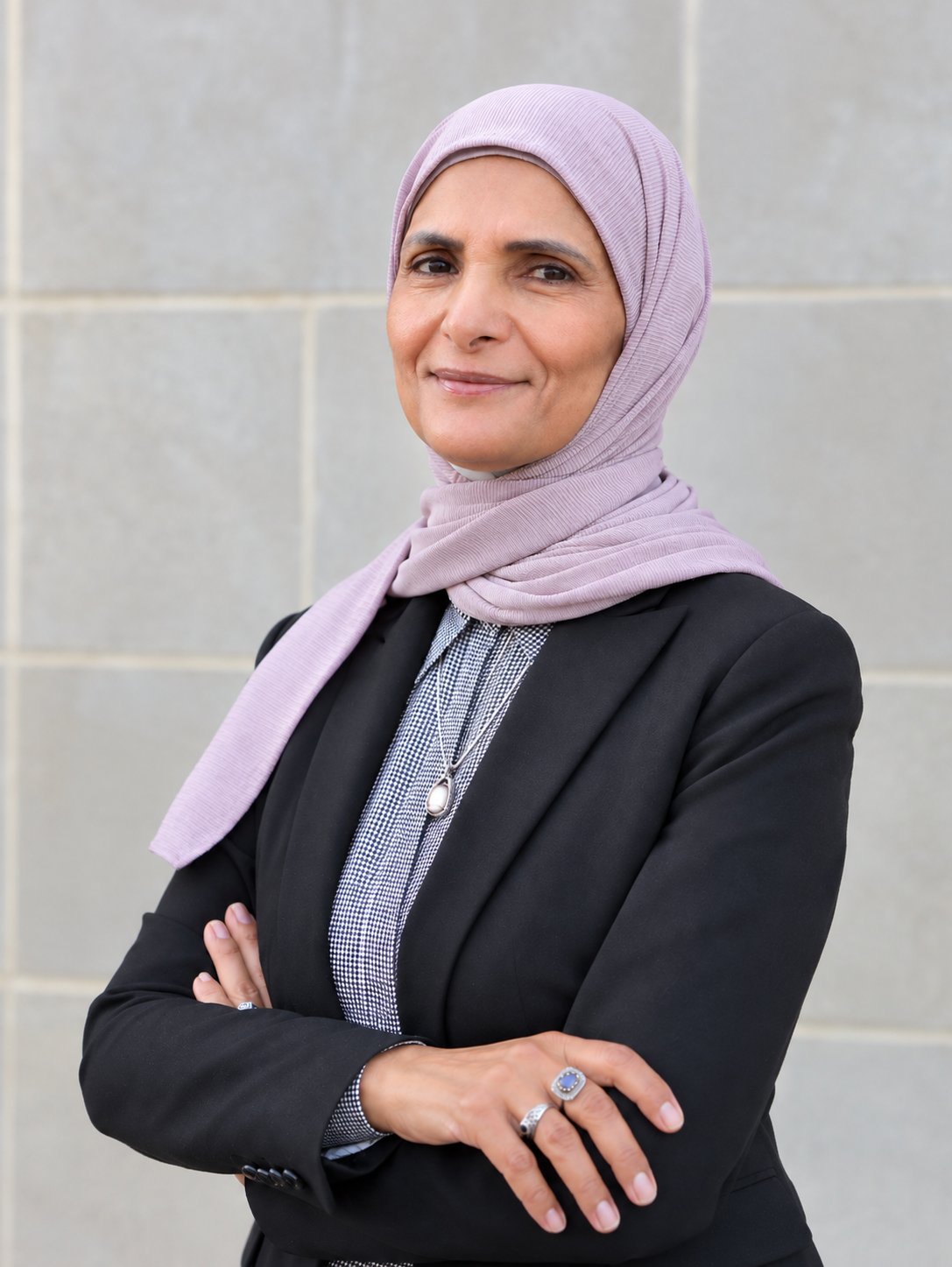
Dr. Enaya Hammad Othman, PhD
Founder & President
Enaya Hammad Othman, PhD, is the Founder and President of the Arab and Muslim Women’s Research and Resource Institute (AMWRRI) and a Professor in the Department of Languages, Literatures, and Cultures at Marquette University, where she directs the Middle East and North Africa (MENA) Studies Program.
A historian and interdisciplinary scholar, Othman’s research examines gender, family, and community life in Arab and Muslim contexts, with particular expertise in Palestinian history, women’s history, migration and displacement, oral history, material culture, and cultural heritage. Drawing on oral history, archival research, ethnographic fieldwork, material and visual culture, and community-engaged research, she explores how individuals, families, and communities interpret their experiences and negotiate social and cultural change, and how memory, identity, and knowledge are produced, preserved, and transmitted across generations.
Othman is the author of Negotiating Palestinian Womanhood: Encounters between Palestinian Women and American Missionaries, 1880s–1940s (Lexington Books, 2016) and Crafting Marriages: Palestinian Women Transforming Gender Boundaries (Syracuse University Press, 2025), as well as numerous scholarly articles and book chapters. Her work also extends beyond traditional academic publication through community research reports, digital archives, public humanities projects, and other forms of accessible, community-engaged knowledge production. Her current book project examines Palestinian cultural dress and embroidery across Palestine, Jordan, and the diaspora, exploring clothing and embroidery as sites of memory, identity, women’s labor and entrepreneurship, cultural continuity, and resistance. Her broader research addresses migration and refugee experiences, disability and caregiving, community health and well-being, and the intersections of gender, culture, religion, and social inequality.
Othman founded AMWRRI to create a space where rigorous scholarship and community knowledge inform one another. Through AMWRRI, she has led and developed community-engaged research, oral history and documentation projects, digital archive initiatives, public humanities programs, exhibitions, educational initiatives, and partnerships with community and academic institutions. Central to this work is the conviction that community members are not simply subjects of research but active contributors to the creation, interpretation, preservation, and mobilization of knowledge. Her work seeks to document histories, lived experiences, and forms of community knowledge that are often underrepresented in conventional archives and scholarship, while making this knowledge accessible and meaningful to communities, educators, students, researchers, nonprofit organizations, policymakers, cultural institutions, and the broader public.
Othman was a Fulbright U.S. Scholar in 2023–2024 and received Marquette University’s Way Klingler Distinguished Scholar Award for 2026–2027. She also serves as Editor-in-Chief of the Journal of Gender, Ethnic, and Cross-Cultural Studies.
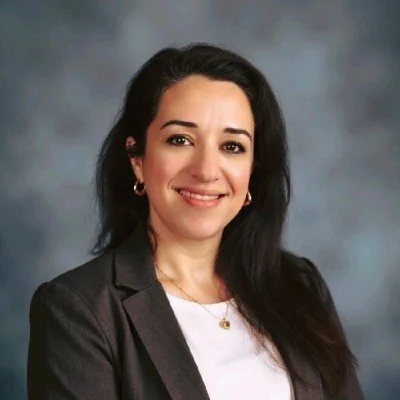
Sheila Badwan
Vice President
Sheila Badwan serves as Director of Strategic Philanthropy and Partnership at Intuitive Solutions, a capacity-building firm supporting national and international nonprofits. She is also the Founder & Principal Consultant of Luminary Bridge Consulting, partnering with healthcare organizations, universities, nonprofits, and for-profit businesses on community engagement and workflow optimization.
A Palestinian American based in Milwaukee, Sheila previously served as Executive Director of Hanan Refugees Relief Group, where she helped grow the organization into a recognized refugee resettlement agency serving Wisconsin, and as former Co-Chair of the Wisconsin State Refugee Advisory Council. She was featured as one of 100 people in the This Is Milwaukee project. She currently serves as President of the Wisconsin Muslim Civic Alliance, Treasurer of the Wisconsin Muslim Civic Foundation, and a board member of the Palestinian Student Scholarship Fund, and is a member of Tempo Milwaukee, the Rotary Club of Milwaukee, and Global Goodwill Ambassadors, alongside roles with several other nonprofit organizations, including the steering committee for the HOME program, which supports World Refugee Day programming.
Sheila holds a B.S. in Business Administration from East Carolina University and is nearing completion of her Certified Fund-Raising Executive (CFRE) credential. She speaks English and Arabic. She lives in the Milwaukee area with her husband and their two children.
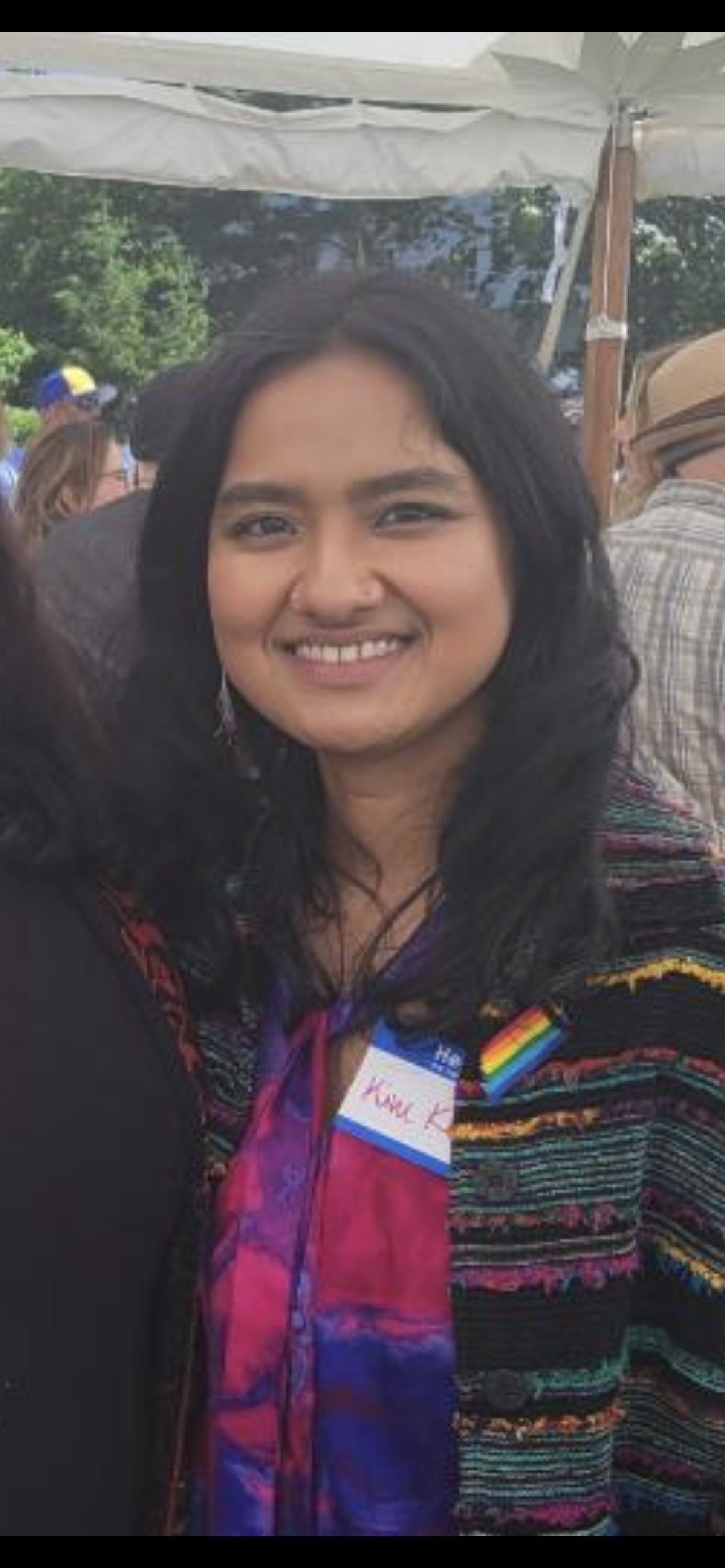
Kim Khaira
Board Member
Kim Khaira is an advocate, community engagement specialist, and DOJ-accredited legal representative with more than a decade of experience supporting refugees and immigrants across the U.S. and Southeast Asia. She currently serves as Program Manager at Lynden Sculpture Garden in Milwaukee, where she leads Be the Change, an arts-based leadership and mentorship program connecting refugee girls and young women from seven countries with women leaders in arts, healthcare, education, and law. She also organizes Milwaukee's World Refugee Day, including Citizenship and Naturalization ceremonies held in partnership with the Wisconsin Department of Children and Families.
As a Board Member and Volunteer Legal Representative at the Community Center for Immigrants, Kim is DOJ partially accredited and represents clients in USCIS citizenship and green card interviews. Her career spans domestic violence advocacy for Southeast Asian and Muslim communities, equity-focused facilitation for institutions including the City of Milwaukee Health Department, and years of casework in Malaysia addressing refugee resettlement, gender-based violence, and anti-trafficking efforts through the Penang Women's Development Corporation.
Kim holds a B.HSc. in Political Science with Honors and a minor in English Literature from the International Islamic University Malaysia. She is fluent in English and Malay/Bahasa Indonesia and brings a culturally responsive, multilingual approach to every community she serves.
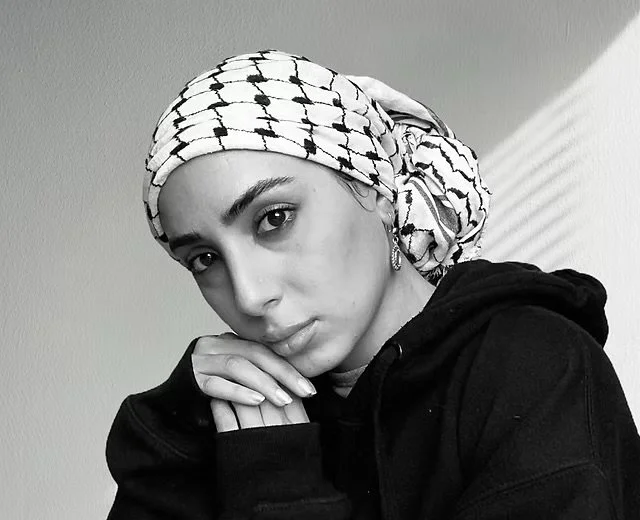
Amal Azzam
Board Member
Amal Azzam is a Milwaukee-based mixed media artist, curator, and community organizer whose work explores identity, culture, memory, and belonging. Her artistic practice spans screen printing, found objects, fiber, wearables, and photography, and her work has been exhibited in museums and galleries across the country.
In 2025, Amal was named the Mildred L. Harpole Artist of the Year by the Milwaukee Arts Board and received a Joy Grant from Joy Engine in support of her creative practice. Beyond her studio work, she has organized and curated exhibitions, community gatherings, and arts programming that create opportunities for artists to connect, collaborate, and share their work.
Amal is also the co-founder of Fanana Banana, a Milwaukee-based arts movement and community hub dedicated to creating space for Muslim artists through exhibitions, panels, performances, and collaborative programming.
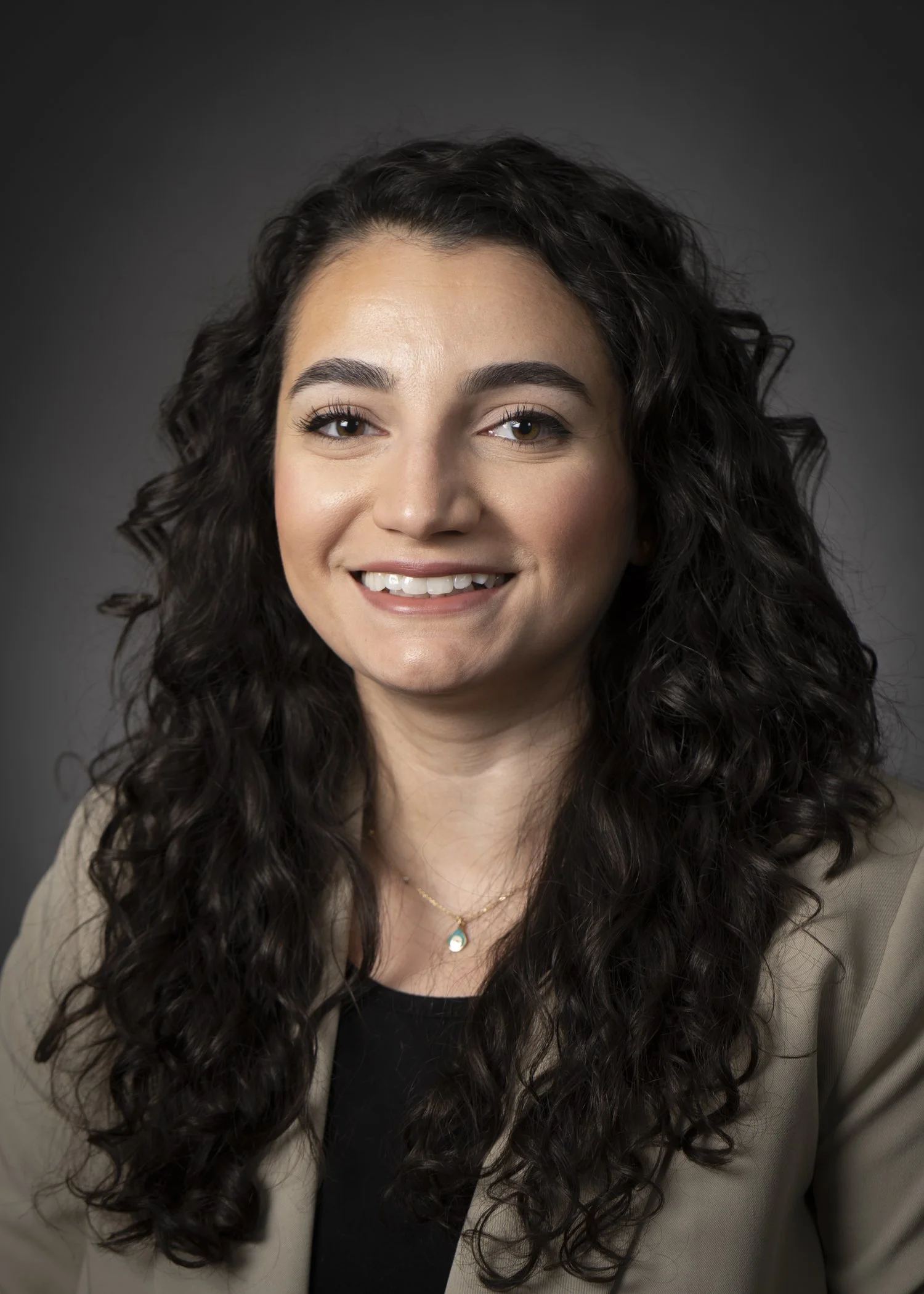
Rawan Atari-Khan
Board Member
Rawan Atari-Khan, PhD, is an Assistant Professor in the Department of Counselor Education and Counseling Psychology at Marquette University’s College of Arts and Sciences. She is a psychologist, researcher, and educator. Dr. Atari-Khan has worked in various clinical settings, including community mental health, private practice, and university counseling, with an emphasis on treating identity development concerns, trauma-related disorders, and body image issues.
In her research lab, the Watan Collective, she works alongside graduate students to bring a culturally grounded, justice-oriented lens to understanding identity, displacement, and resilience among immigrant communities. Her scholarship draws on cross-cultural and positive psychology approaches to highlight the lived experiences of racially and ethnically minoritized groups in the U.S. Dr. Atari-Khan’s research centers on elevating the voices of Arab, Middle Eastern, and North African immigrant and refugee communities. She was awarded the American Arab, Middle Eastern, and North African Psychological Association Distinguished Dissertation Award for her development of the Arab American Well-being Scale.
As a Palestinian woman living in the diaspora, she is deeply committed to remaining accountable to Arab/MENA individuals both locally and globally, and to honoring the histories and ongoing struggles of her community. As an educator, Dr. Atari-Khan teaches and mentors graduate students training to become clinical mental health counselors, psychologists, and researchers.
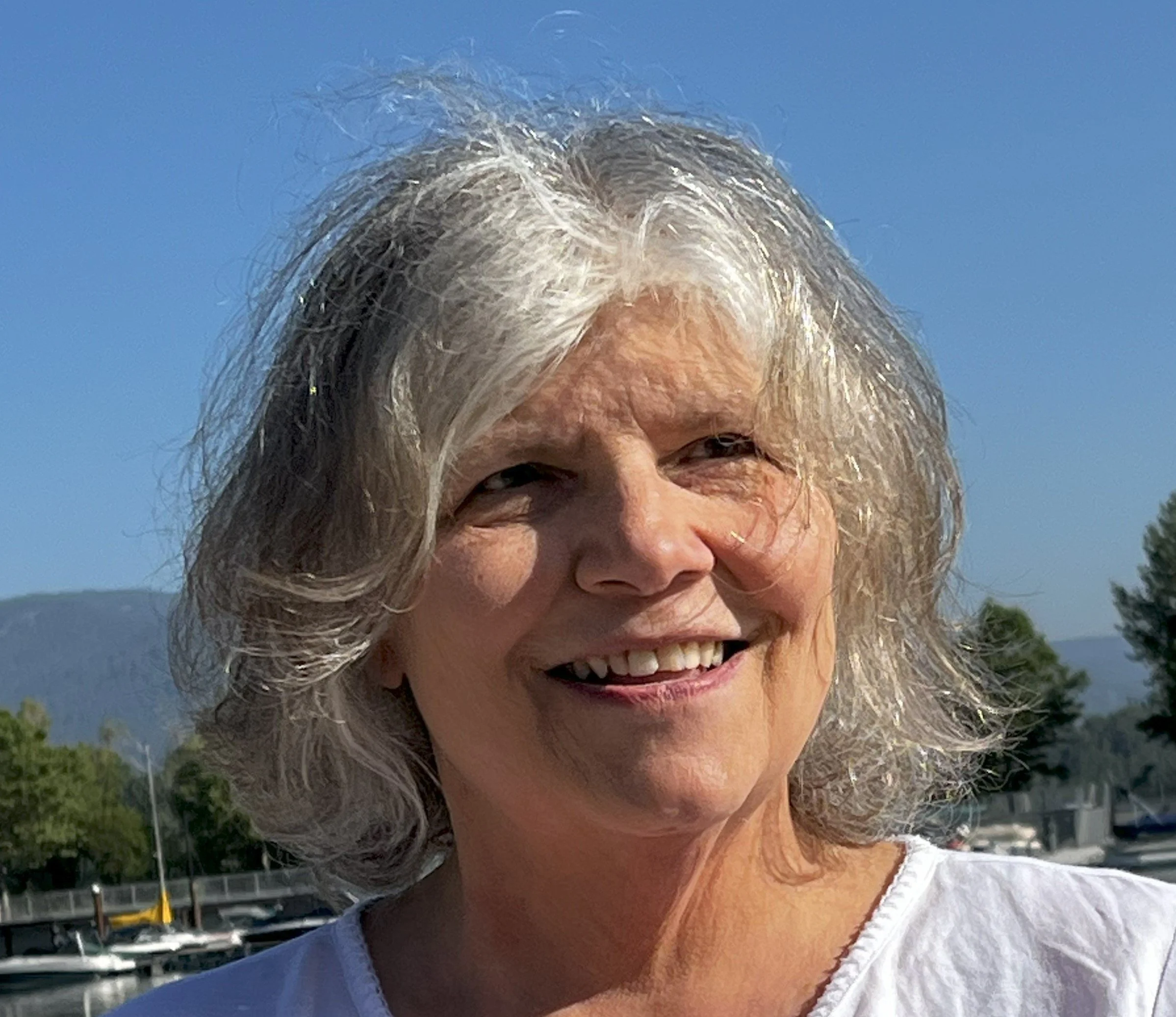
Jeana Abromeit
Board Member
Jeana Abromeit is a professor emerita at Alverno College, having worked there for 25 years as a teacher and in later years as associate vice president for academic affairs. Before that, she was a human resources manager and civil rights office for the U.S. Forest Service. Jeana received her bachelor’s degree in sociology and social work from the University of Idaho in 1973 and completed her Ph.D. at the University of Colorado-Boulder in Sociology with specializations in peace & conflict and gender & sexuality. She has expertise in mixed research methods, community-based research, action research, and research ethics. An engaging and purposeful educator, Jeana taught a wide variety of undergraduate and graduate courses. For many years, she shared her sought after expertise with faculty across the U.S. and globe (e.g., Chile, Australia, South Korea, Hong Kong and The Netherlands), with a goal of guiding others in improving teaching and learning.
Jeana has been with AMWRRI since its beginning in 2009. From the very start, she was captivated by the founder’s vision and the organization’s potential to empower Arab and Muslim women and their communities. As secretary/treasurer for over 13 years, Jeana will retire from this position in October 2026 but will remain on the Board as a passionate contributor to this unique, valuable nonprofit organization.
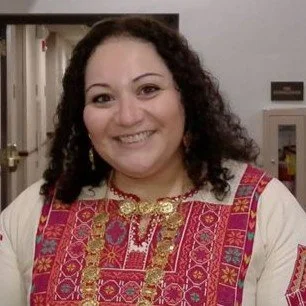
Amani Asad
Board Member
Amani Asad is an educator with 15 years of experience, including seven years at a Milwaukee Public Schools high school. She holds a Master of Arts in English and a Master of Education in Educational Leadership and Policy, and currently teaches English 9 and UW–Milwaukee Dual Enrollment English, while serving as Yearbook Advisor.
Amani believes deeply in the power of education and storytelling to amplify voices, preserve history, and build understanding — a belief that draws her to AMWRRI's work documenting the experiences of Arab and Muslim women. She is especially interested in oral history and community-based storytelling as tools to empower women, connect generations, and preserve stories that might otherwise go untold.
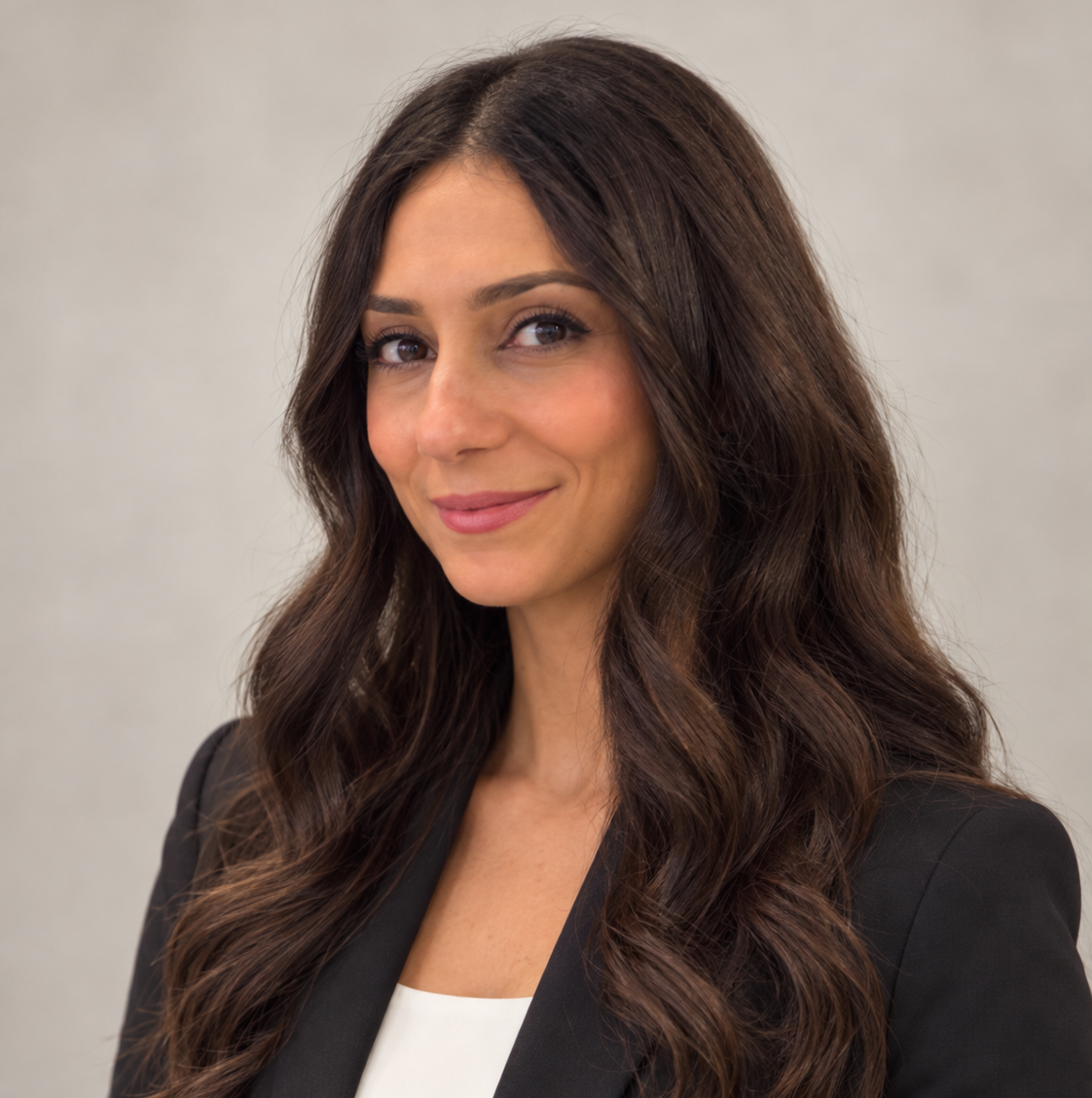
Alla Kadadha
Board Member
Alla Kadadha is a Milwaukee-area community member, educator, and program management professional with more than a decade of experience in education, grant administration, strategic communications, and community-focused initiatives. She currently works with Milwaukee Public Schools, where she supports federally funded school improvement efforts, and also serves as an Instructor of Sociology at Milwaukee Area Technical College, where she teaches students about American society, social institutions, diversity, inequality, and civic engagement.
Alla graduated from Alverno College in 2009 with dual Bachelor of Arts degrees in History and Philosophy and earned her Master of Arts in Conflict Resolution in Divided Societies from King’s College London in 2016. Her professional experience spans education, nonprofit, corporate, and international settings, including work in Palestine and the Middle East focused on education, communications, research, and program development.
As a mother of two, Alla is especially passionate about advocating for and supporting families raising children with special needs. She brings to the Arab and Muslim Women’s Research and Resource Institute a strong commitment to education, community empowerment, inclusion, and ensuring that women and families have access to the resources, representation, and support they need to thrive.
Jodi Melamed
Board Member
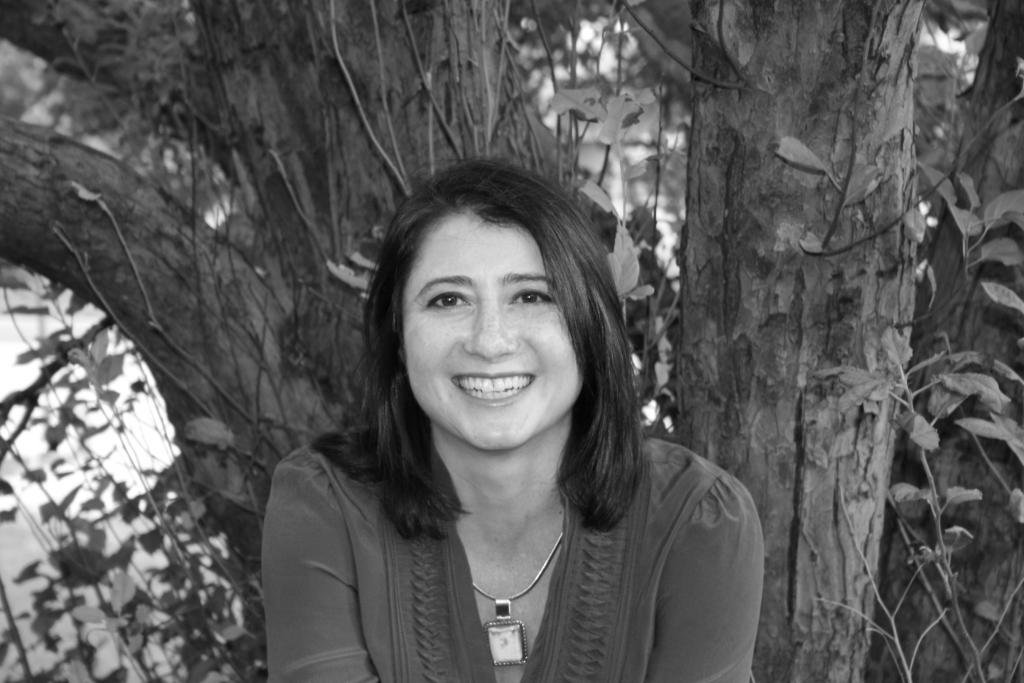
Jodi Melamed is professor of English and Race, Ethnic, and Indigenous Studies at Marquette University. Her research aims to provide an anti-racist critique of contemporary capitalisms and an anti-capitalist critique of historically dominant U.S. anti-racisms.
She is the author of Represent and Destroy: Rationalizing Violence in the New Racial Capitalism (Minnesota UP, 2011) and co-editor of Economies of Dispossession: Indigeneity, Race, Capitalism, a special issue of the journal Social Text. Her influential essay, "Racial Capitalism," is among the most cited articles in the journal Critical Ethnic Studies.
Her honors include Marquette's Robert and Mary Gettel Faculty Award for Teaching Excellence (2020) and a Way Klingler Humanities Fellowship (2022 to 2024). She has been a Fulbright Scholar at the Humboldt University of Berlin and served as the Norman Freehling Professor at the Institute for the Humanities at the University of Michigan in spring 2024.
On campus, she works with students, faculty and staff to enact a more robust anti-racism culture at Marquette and in Milwaukee.
Aida Ali
Treasurer
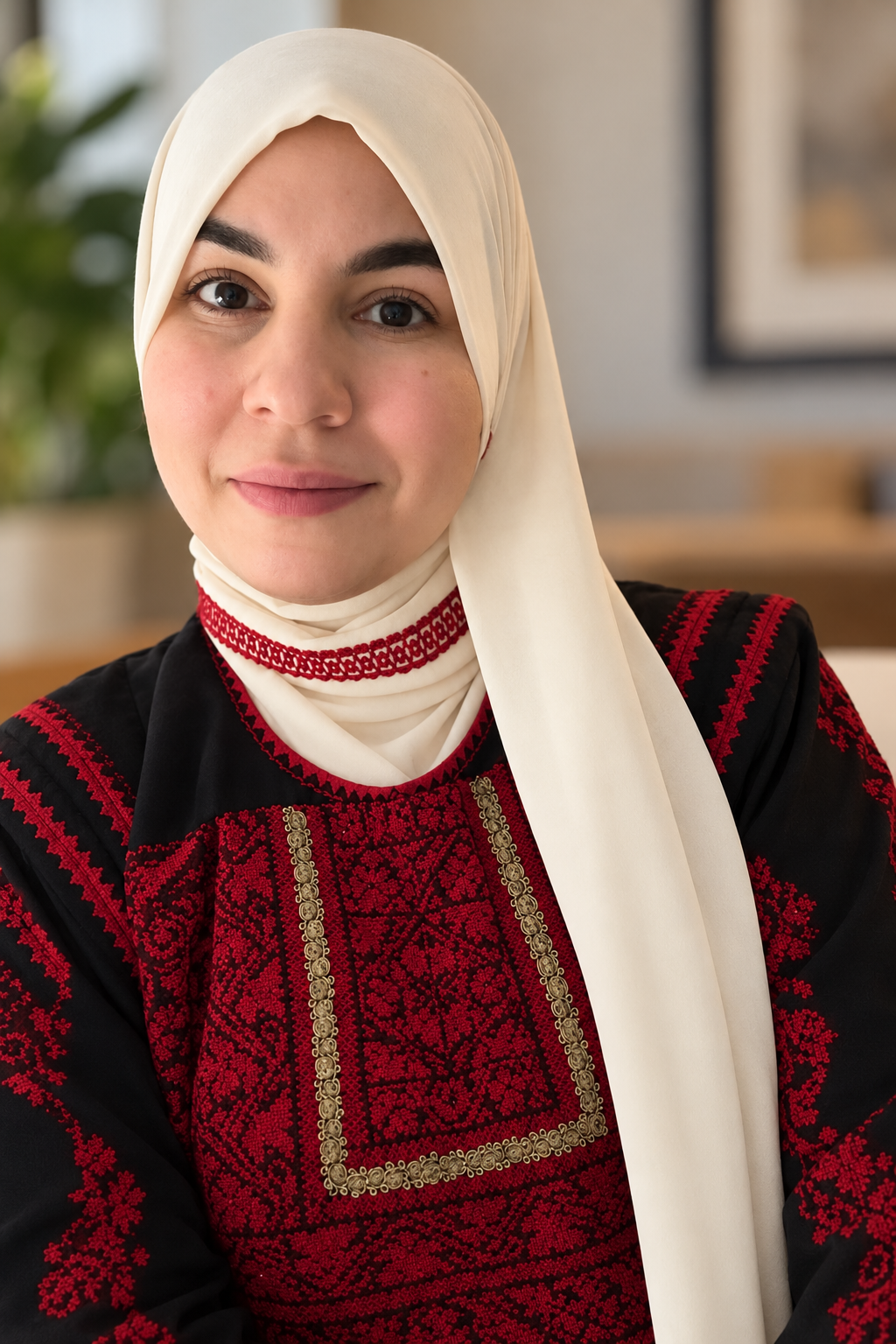
With a Master’s degree in education and a career teaching a wide range of subjects and disciplines in academia, Aida is a lifelong educator and has dedicated her life to educating children. Her extensive experience includes teaching at the early childhood, elementary and middle school levels across both private and public school sectors.
Aida believes that building strong relationships with students, parents, and the community creates an environment where every voice is valued. This inclusive approach prepares young learners to contribute meaningfully to a diverse society. To her, our truths are a window through which we see ourselves, one another and the world.
Beyond the classroom, her passion for education and cultural preservation extends into the community. She has previously worked with AMWRRI, where she undertook the important task of collecting oral histories from ethnic women. In this role, she meticulously catalogued and documented their experiences and traditional cultural dresses, ensuring that these vibrant histories and traditions are preserved for future generations. As a Palestinian American she is honored to return to AMWRRI and support its commitment to chronicling authentic stories, historical narratives and cultural heritage by shedding light on the personal journeys and current realities of Arab, Muslim, refugee and migrant women.